You can learn how to be resilient by adopting healthy habits, socializing, and relying on independent living support. Gaining resilience in retirement may improve your health and longevity.
According to a survey conducted by The Ohio State University, 83% of Americans think they have high levels of mental and emotional resilience. Learning how to be resilient can help you navigate complex and stressful situations. It may help you adjust to retirement and other changes that occur as you age.
You can gain resilience by developing healthy routines, socializing, and prioritizing self-care. Gaining resilience in retirement may improve your health and quality of life in Keller, TX.
What is the importance of emotional resilience, and how can you develop a new year mindset? Read on to find out!
What Is Resilience?
Resilience is the process of adapting to stressful situations and sources of stress, including:
- Trauma and tragedy
- Treats
- Adversity
- Health problems
- Financial stressors
- Relationship issues
- Major life changes
Learning how to "bounce back" from a tough situation can lead to personal growth. While these situations may seem challenging, there are still aspects you can control and change. Recognizing this control over your life can feel empowering while reducing stress.
What Is the Importance of Emotional Wellness in Aging?
According to the National Council on Aging, about one in five Americans struggles with a mental health condition. Among seniors, the most common mental health issues are depression and anxiety. Your risk may increase due to:
- A chronic illness or disability
- Changes brought on by retirement (including moving)
- Certain medications
- The loss of a loved one
- The stress of caregiving
- Social isolation and loneliness
Social isolation and loneliness can further increase your risk of mental and physical health issues. This may affect your ability to function, diminishing your health and quality of life.
Anxiety and depression may cause stress, increasing the production of the hormone cortisol. Excessive cortisol may increase your risk of health issues, including:
- Depression
- Insomnia
- A weakened immune system
- High blood pressure
- High blood sugar and type 2 diabetes
- Heart attack and stroke
Gaining emotional resilience can help you navigate stressful situations. This may help minimize stress before it affects your health and ability to function.
How to Be Resilient
Developing a routine can reduce stress and give your life structure. This may help improve your emotional resilience. Here are a few ways you can learn how to be resilient while living in a senior living community.
Seek Independent Living Support
Fostering social connections can give you a sense of purpose and belonging within your Keller community. You can connect with understanding people who will remind you that you're not alone. Their compassion can validate your feelings, which may help you gain resilience.
Consider joining a support group through your senior living community.You can gain helpful coping skills from other seniors who understand what you're going through.
Practice Self-Care
Practice self-care by:
- Meditating
- Journaling
- Developing a gratitude practice
- Using deep breathing exercises
- Getting enough sleep
- Connecting with nature
Mindful practices can help you gain hope, which may strengthen your emotional resilience. These practices can also help relieve stress, which may keep you from ruminating on negative or stressful thoughts.
Consider establishing goals for the new year. As you meet each goal, celebrate your accomplishments. This can keep you motivated while giving you something to look forward to.
Engage in Valued Activities
Explore your senior living community's events and activities calendar to discover new hobbies, including:
- Birdwatching
- Scrapbooking
- Gardening
- Photography
- Cooking and baking
- Quilting or sewing
- Knitting or crocheting
- Movie or book club
These hobbies can give you a renewed sense of purpose. Completing projects can boost your self-esteem and sense of accomplishment.
Use these senior social clubs to start making new friends. You can connect with other seniors who share your passions.
Prioritize Your Health
Improving your physical health may benefit your mental and emotional health.Explore your senior living community's fitness program for exercise classes, such as:
- Pilates
- Tai chi
- Yoga or chair yoga
- Stretching
- Weight lifting
- Resistance band training
- Aerobics classes
- Water aerobics
- Swimming
- Walking or hiking groups
These exercise classes can help you connect with other seniors. Your friends can motivate you and make exercising more fun.
Exercising can boost feel-good chemicals called endorphins. Endorphins may uplift your mood and help you adapt to stress.
Explore your senior living community's dining program for healthy meals. Eating nutritious dishes may benefit your mental and physical well-being.
Frequently Asked Questions
Does Resilience Increase With Age?
In some studies, older adults exhibit increased resilience, even outpacing younger age groups. People over 100 years old show remarkable resilience, which is associated with improved health outcomes and increased longevity.
Improving emotional wellness in aging seniors may counter changes like physical limitations or retirement. Gaining resilience in retirement can help you adapt and thrive.
What Are the 7 C's of Resilience?
The seven C's of resilience are:
- Competence
- Confidence
- Connection
- Character
- Contribution
- Coping
- Control
Competence allows you to handle situations effectively based on your skill set. Confidence is a belief in these abilities.
Connecting with members of your Keller community can enhance your sense of belonging. Character is a commitment to your values and goals, as well as having a strong sense of morality.
Contribution can give you a sense of purpose. You can make a change in the world by giving back to your community.
Coping skills allow you to navigate negative emotions and stressful situations. Control is the belief that you have control over how you react to circumstances.
Developing these skills and traits may help you navigate changes as you age.
Discover Your New Year Mindset
Learning how to be resilient may benefit your health and longevity. You can find more resources that prioritize mental strength for seniors through your local community.
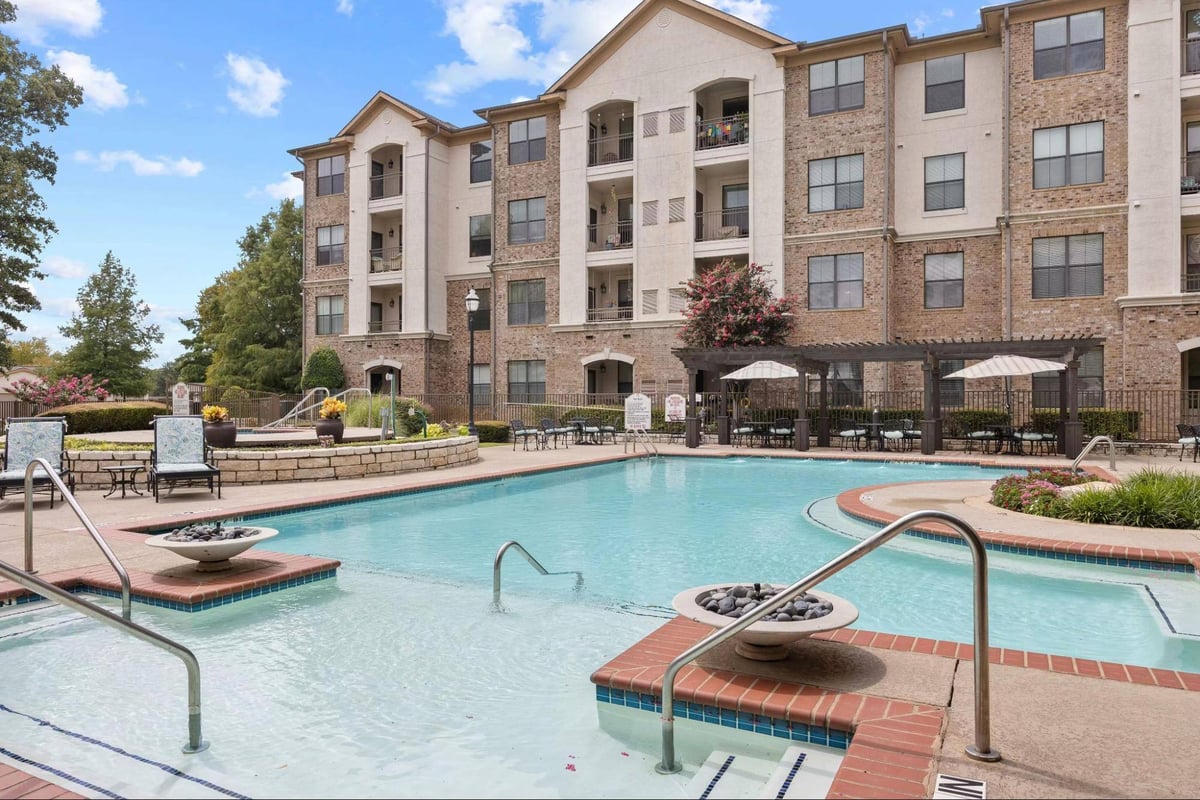
Look no further for independent living support than Conservatory at Keller Town Center. We offer six exclusive senior lifestyle programs to reduce stress and improve your quality of life.
Enjoy Sensations Dining, Celebrations Activities & Events like excursions and bingo, or Dimensions Health & Fitness classes like dance and water aerobics. Contact us now to schedule your tour.